
Something’s shifted. We built FFi to measure it.
The way we work has changed. So have the people we lead. Leadership has to change too.
Your experience still counts. The question is which parts of it will carry you into what’s coming. FFi shows you where you stand today, and what to work on first.
Nothing else measures this.
Most assessments measure what you’ve done or who you are. FFi measures whether you’re ready for what’s next.

The thing I couldn’t unsee.
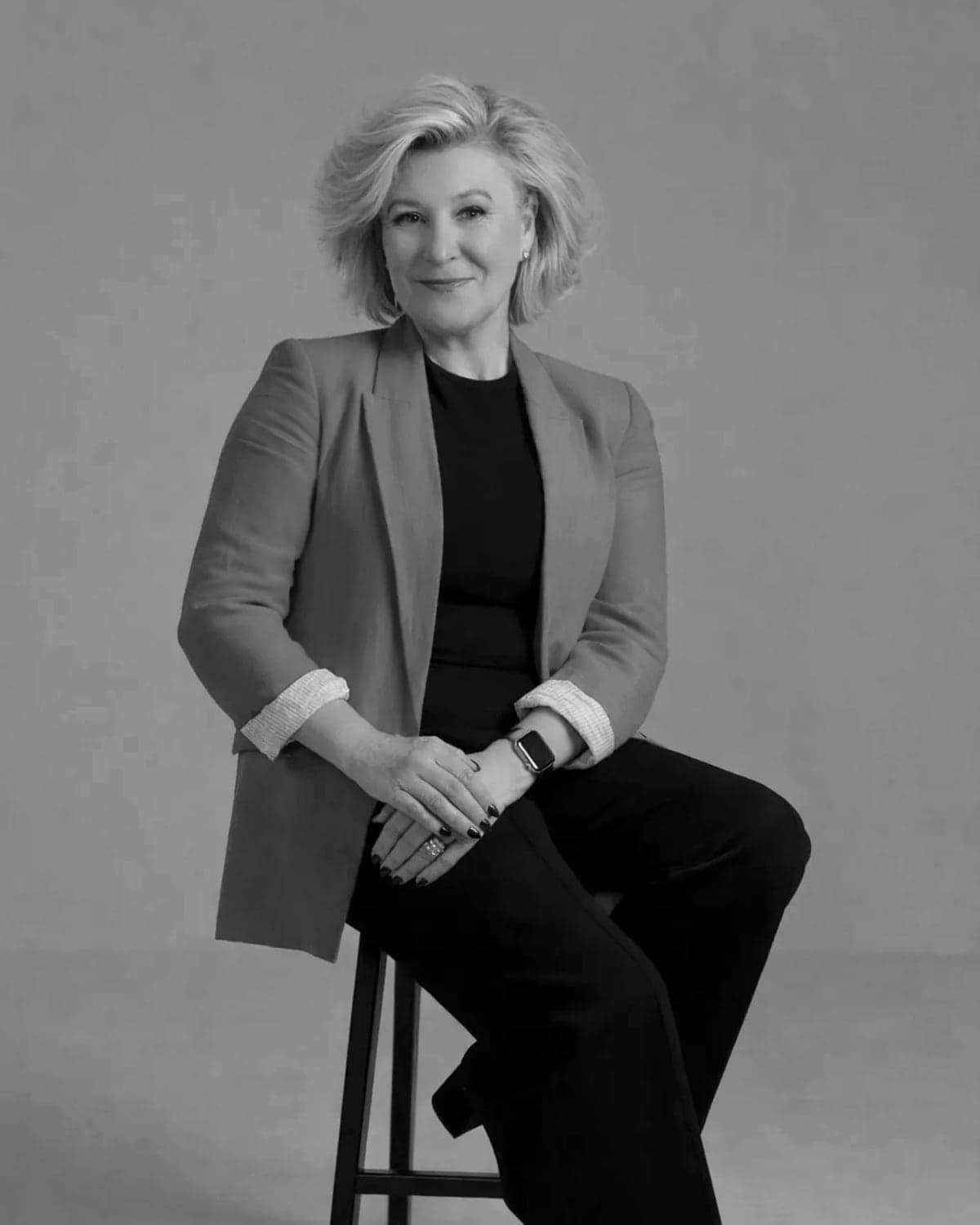
I’m Jac Phillips. In 30 years as a global corporate leader, executive coach, advisor, founder and board director, I’ve had a front-row seat to senior leadership across banking, finance, marketing, law and technology. Proven leaders, high-calibre, board-trusted, getting caught out by environments that had shifted beneath them. The frameworks they’d been developed against rewarded experience, control, certainty and linear thinking. What they needed was the opposite: speed of judgement, comfort with the unknown, and the capacity to unlearn.
Then it came closer to home.
My co-founder Jonah Jones and I both have sons who are entrepreneurs. They solve real problems with technology most corporate leaders haven’t touched yet. They move at a pace most corporate structures can’t match. They hire people. They’re leading the future.
Watching them changed how we saw the corporate world. The gap isn’t only about individuals falling behind. It’s structural. The next generation isn’t waiting for permission. A 20-year-old with the right tools and mindset will outmanoeuvre a seasoned executive who still leads like it’s 2015. That isn’t a future risk. It’s already happening.
It shaped every one of FFi’s nine dimensions.

Practitioner built.
FFi is reliability-tested (alpha = 0.92). The benchmark is live and growing with data drawn from leaders around the globe.
FFi was founded on data from more than 14,000 hours of senior leadership coaching. We started with one question: what does the work ask of leaders now?
The 45 questions look at three things: what you do under pressure, how often you do it, and how confident you are doing it. A leader can do something often and still not trust themselves doing it.
The nine dimensions sit in four tiers, from Foundational to Enabling, and the order tells you where to start. A leader strong on Anticipation & Foresight and low on Velocity & Momentum can see where the organisation needs to go, but can’t get it there.
Foundational
- Decision Integrity & Moral Courage
- Peak Physical Performance & Energy
Core
- Empathy & Influence
- Anticipation & Foresight
- Adaptive Mindset & Unlearning
Execution
- Velocity & Momentum
- Spacious Thinking
Enabling
- Builder Bias
- Tech Curiosity
Solid is what you’ve built. Dotted is what’s coming.
Talk to us.
Book a call with an Executive Coach, the FFi team, or email us at hello@futurefluencyindex.com.
Finding free times…